
8 Best Electric Bikes Under $2,000
As an Amazon Associate, we earn from qualifying purchases.
Amazon buying guide · Refreshed October 19, 2026
Our first pick among these electric bikes under $2,000 is the Heybike Mars 3.0 if you want a folding frame, torque-sensing assistance and hydraulic brakes. For a conventional commuter, start with the Jasion Roamer; for a larger battery and step-through access, compare the Aipas M1 Pro.
This guide compares eight Amazon options for different everyday needs. You do not have to spend the full budget: fit, reliable parts support and useful equipment matter more than paying extra for a large peak-power number.
The linked configurations showed item-price information below $2,000 during our checks. Prices, stock and sellers change. Confirm the selected model, shipping, tax and final cart total; destination-specific delivery charges were not available for verification.
Best electric bikes under $2,000: comparison table
Choose the format that fits your normal journey before comparing power claims. Battery energy helps compare storage capacity; it does not predict an independently tested range.
| Bike / best use | Wheels | Battery | Suspension | Key compromise |
|---|---|---|---|---|
| Heybike Mars 3.0 Best upgrade-focused folding pick | 20 × 4 in | 624 Wh | Full suspension | Manufacturer lists about 70 lb |
| Jasion Roamer Best equipped full-size commuter | 26 in | 528 Wh | Front fork | Mechanical disc brakes need adjustment |
| Heybike Cityscape 2.0 Best lower-cost city alternative | 26 × 1.95 in | 468 Wh | Front fork | Smaller pack than the fat-tire options |
| Aipas A2 Best step-through folding format | 20 × 3 in | 614 Wh listed | Front fork | Listed 65 lb is substantial |
| Heybike Ranger 2.0 Best value fat-tire folder to compare | 20 × 4 in | 600 Wh | Front fork | Bulky tires for smooth-road-only use |
| Aipas M1 Pro Best large-pack step-through option | 26 × 4 in | 840 Wh | Front and rear | Listed 88 lb makes lifting difficult |
| Jasion EB5 MAX Best equipped 26-inch fat-tire alternative | 26 × 4 in | 720 Wh for MAX | Lockable front fork for MAX | Large wheels complicate storage |
| GOTRAX R1 Best smaller-wheel city folder | 20 × 2.6 in | 374.4 Wh calculated | Rigid | Smaller battery reserve |
Figures are manufacturer or seller claims, not our road-test measurements. “Peak” and “rated” are kept separate. Shared Amazon pages may display different generations or equipment.
Eight e-bikes under $2,000, reviewed by use
Best upgrade-focused folding pick
Heybike Mars 3.0
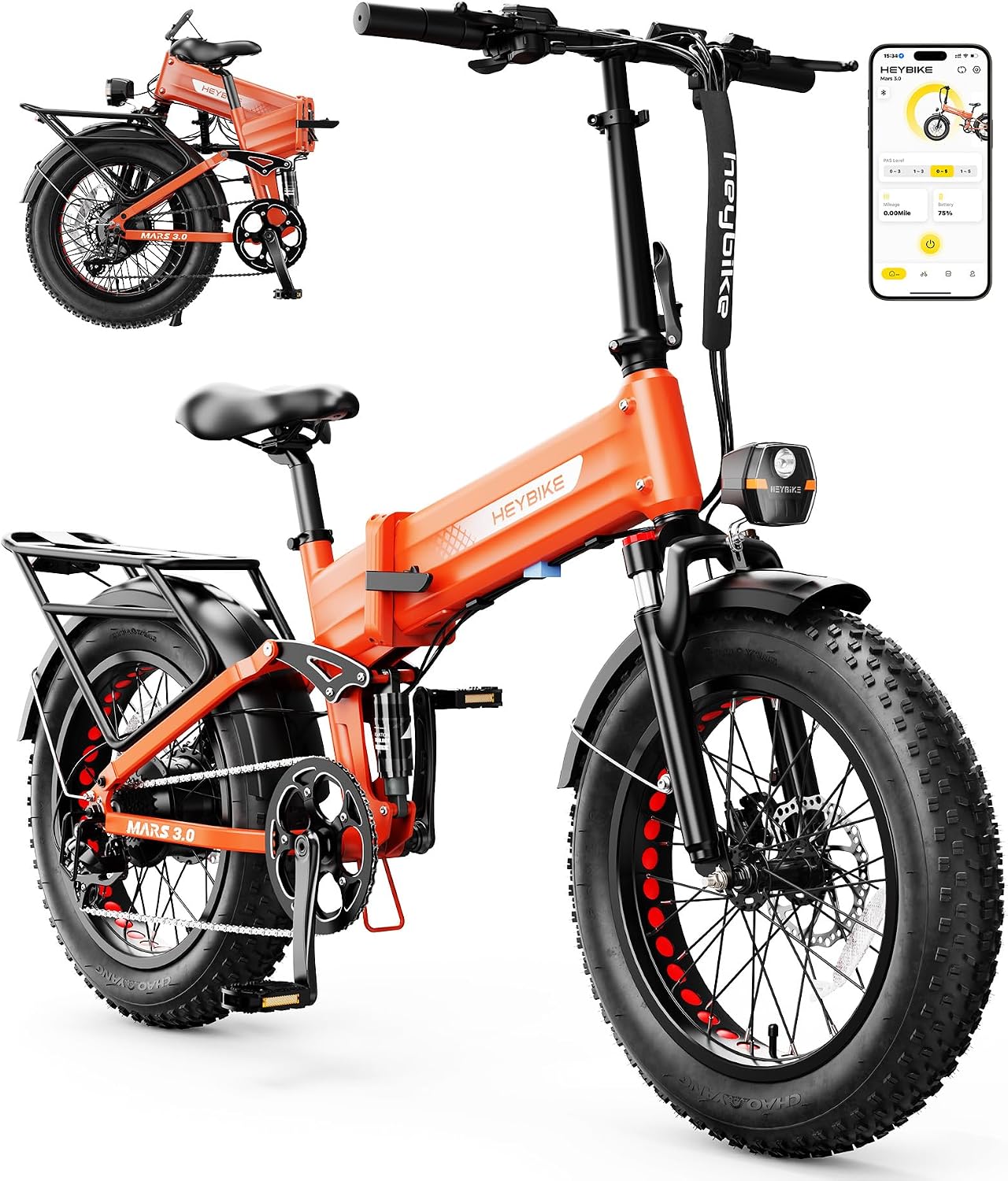
The Mars 3.0 earns the first look for its torque sensor, hydraulic disc brakes and folding frame. Those are tangible upgrades over a basic commuter. Heybike’s own specification page is the source for the 3.0 equipment: Amazon’s shared listing still includes older Mars 2.0 wording.
- Wheels
- 20 × 4 in
- Battery energy
- 624 Wh
- Suspension
- Full suspension
- Motor claim
- 750W rated / 1400W peak
Pros
- Torque-sensing pedal assistance
- Hydraulic brakes and rear suspension
- Rack, fenders and integrated lighting
Cons
- Manufacturer lists about 70 lb
- Folding size is still bulky
- Amazon mixes old and new specifications
Best for: Riders who value pedal response and folding storage.
Skip it if: You need an easy bike to carry upstairs.
Configuration check: Confirm Mars 3.0, 624Wh and 8-speed equipment. Do not substitute the older 2.0 figures.
Best equipped full-size commuter
Jasion Roamer
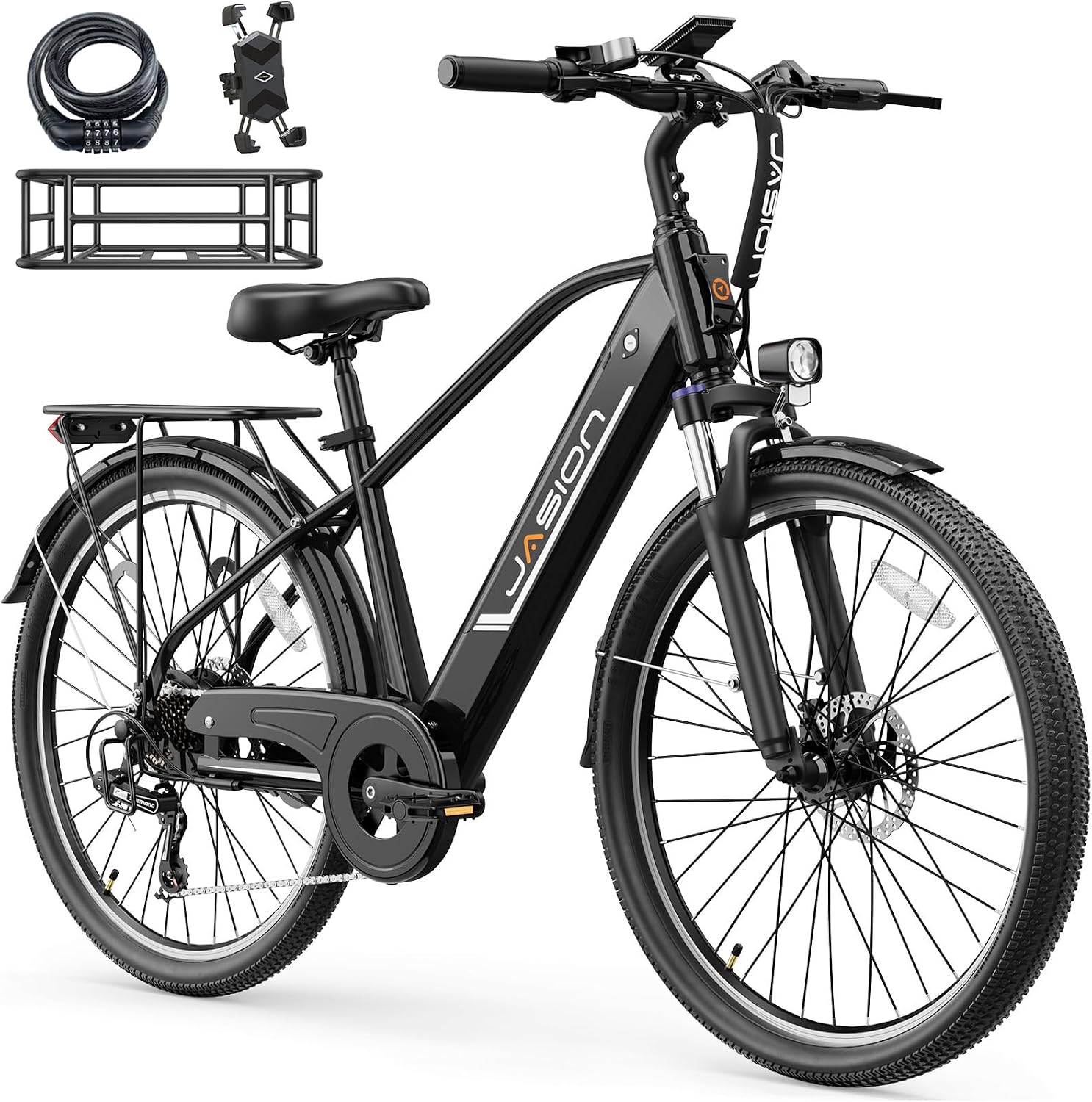
The Roamer puts its budget toward a conventional commuter layout and useful lighting. It includes turn signals and a brake light, plus a removable battery for charging away from the bike. Choose it for regular street journeys if you prefer full-size wheels to a folding fat-tire frame.
- Wheels
- 26 in
- Battery energy
- 528 Wh
- Suspension
- Front fork
- Motor claim
- 750W rated / 1200W peak
Pros
- Integrated turn signals and brake light
- Removable battery
- 7-speed drivetrain
Cons
- Mechanical disc brakes need adjustment
- Moderate battery capacity
- Roamer and ST variants share a listing
Best for: A rider comparing everyday commuter equipment.
Skip it if: You require hydraulic brakes or a folding frame.
Configuration check: Select the frame style you need; the linked listing includes Roamer and ST versions.
Best lower-cost city alternative
Heybike Cityscape 2.0
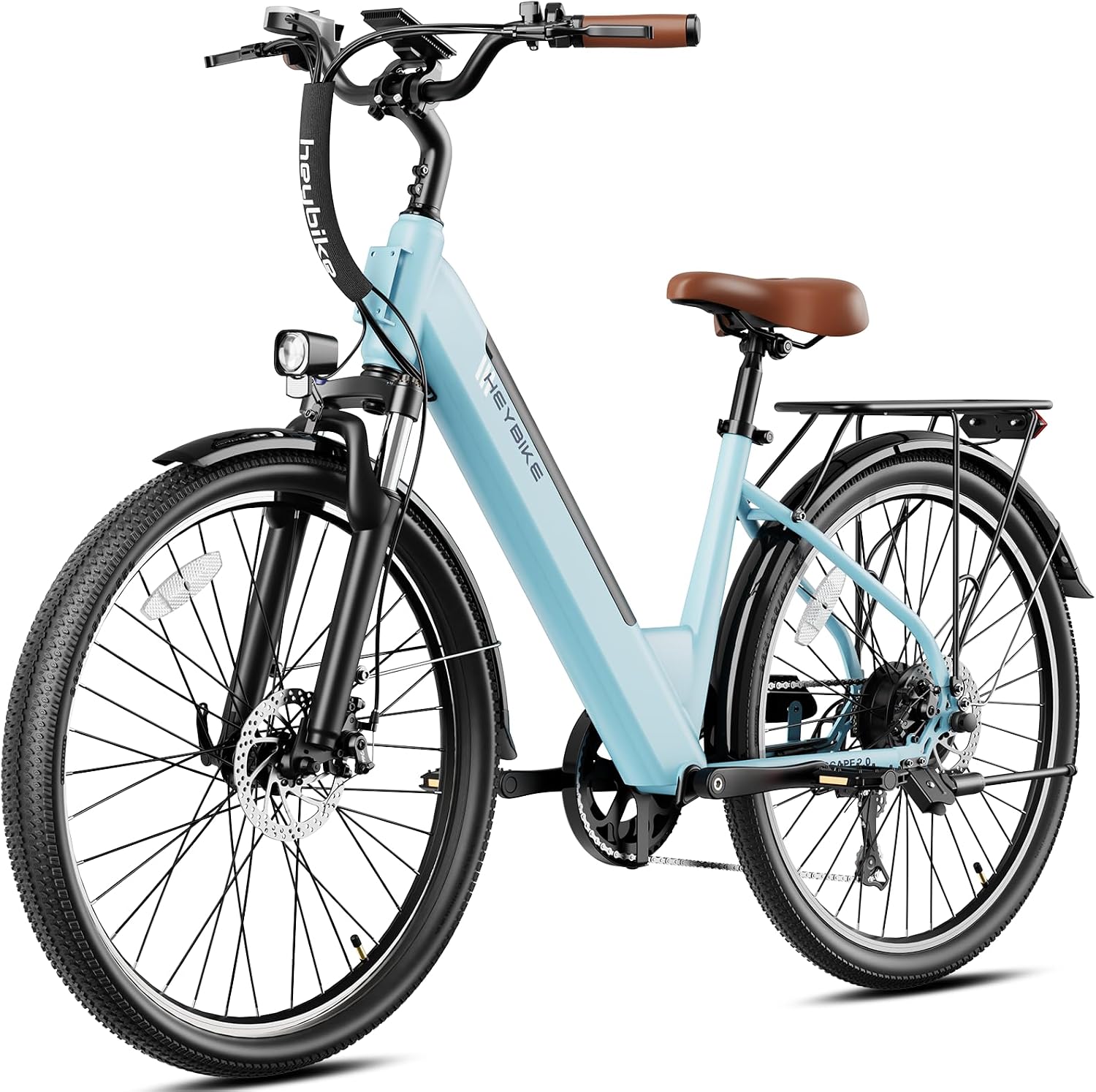
The Cityscape 2.0 is worth considering when your route is mostly paved and spending the full $2,000 would add little practical benefit. Its narrower tires, rear rack and seven gears suit straightforward urban use. The smaller battery is the compromise for choosing a lower-cost, simpler package.
- Wheels
- 26 × 1.95 in
- Battery energy
- 468 Wh
- Suspension
- Front fork
- Motor claim
- 500W listed / 1200W peak in title
Pros
- Conventional commuter tires
- Rear rack included
- Removable battery and 7 speeds
Cons
- Smaller pack than the fat-tire options
- Basic disc-brake specification
- Verify exact speed configuration
Best for: Short city trips with room in the budget for setup and a good lock.
Skip it if: You prioritize battery capacity or rear suspension.
Configuration check: The listing’s load wording is unclear: do not interpret the bicycle’s capacity as a rear-rack rating.
Best step-through folding format
Aipas A2
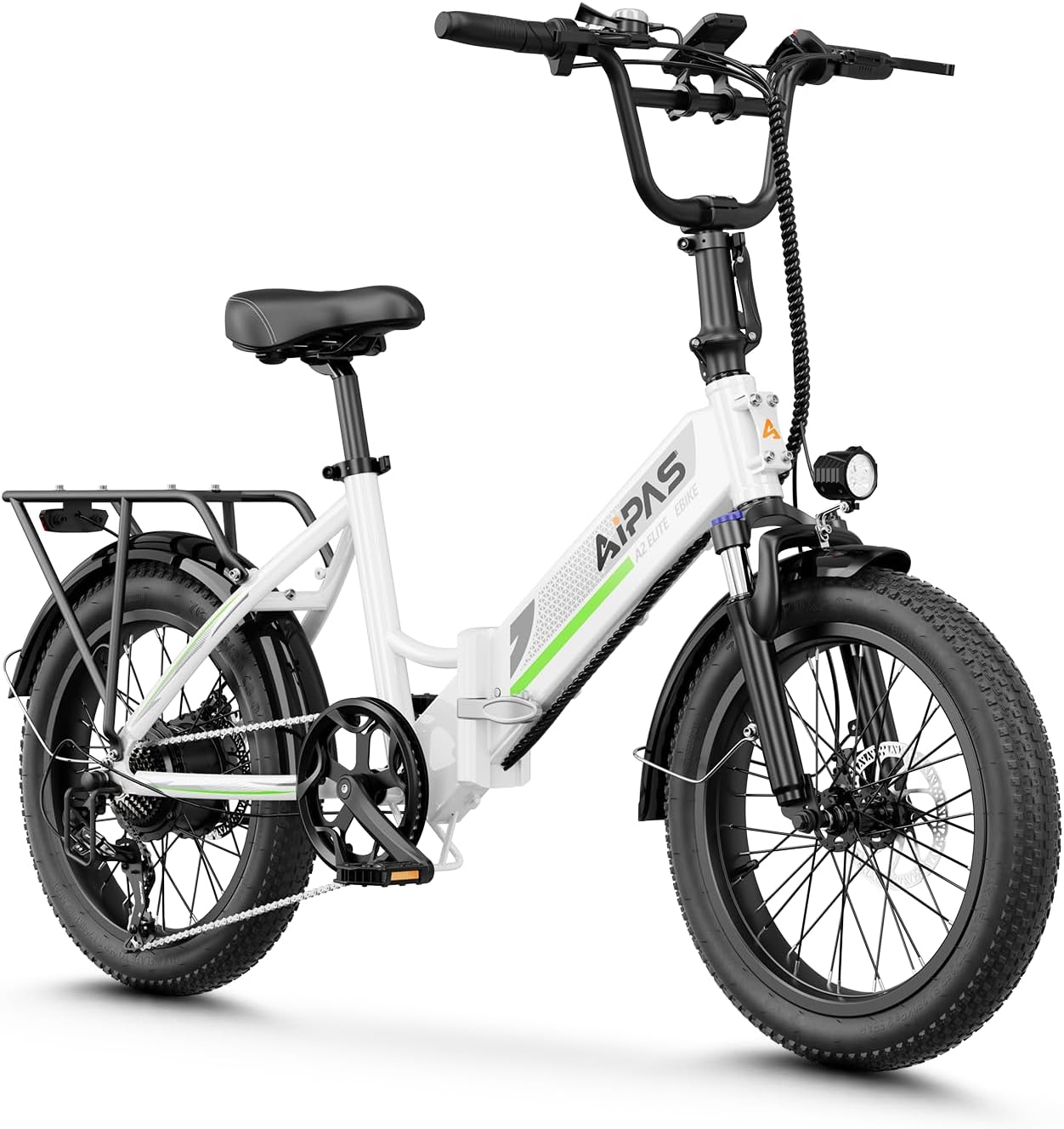
The A2 combines a low frame with a fold, giving it two useful advantages for storage and getting on and off. Its three-inch tires are narrower than the four-inch options here. The removable 48V 12.8Ah pack is approximately 614Wh; actual distance still depends on route and assistance.
- Wheels
- 20 × 3 in
- Battery energy
- 614 Wh listed
- Suspension
- Front fork
- Motor claim
- 750W peak; rated output unstated
Pros
- Step-through folding frame
- Rack, lighting and turn signals
- 7-speed drivetrain
Cons
- Listed 65 lb is substantial
- Mechanical disc brakes
- Confirm rated motor power
Best for: Someone who wants easier mounting and compact storage.
Skip it if: You expect folding to mean lightweight carrying.
Configuration check: Check the A2 option, battery size and folded dimensions rather than assuming all Aipas folders match.
Best value fat-tire folder to compare
Heybike Ranger 2.0
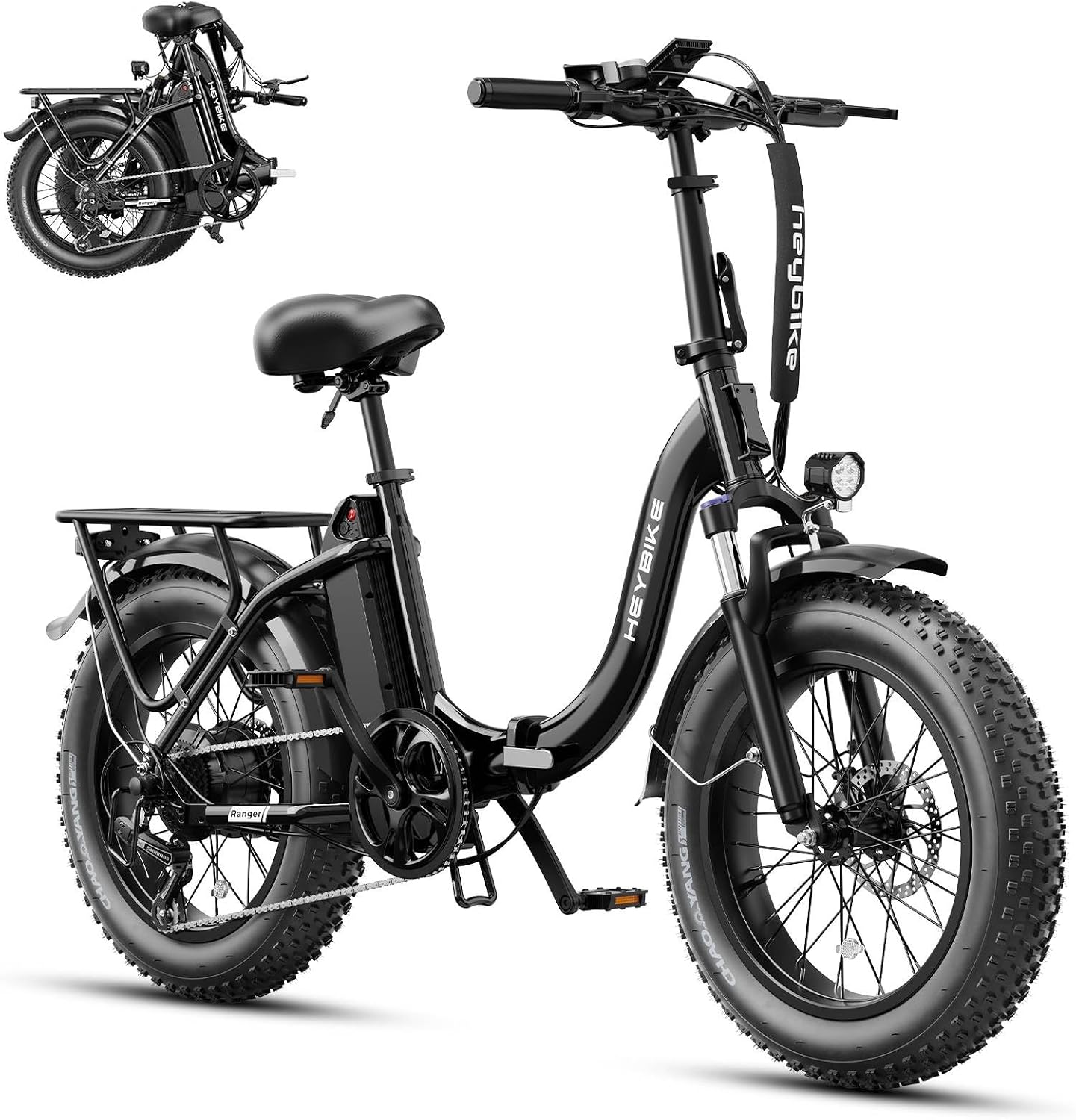
The Ranger 2.0 offers a step-through frame, folding hinge, wide tires and a rear rack. It is a sensible comparison against the Mars when storage and mounting matter more than a torque sensor or rear suspension. Keep the generations separate: Ranger 2.0 is not Ranger S or Ranger 3.0 Pro.
- Wheels
- 20 × 4 in
- Battery energy
- 600 Wh
- Suspension
- Front fork
- Motor claim
- 1400W peak; rated output unstated here
Pros
- Low frame and folding design
- 600Wh removable pack
- Rack and integrated lights
Cons
- Bulky tires for smooth-road-only use
- No rear suspension in this configuration
- Confirm brake type and rated power
Best for: Buyers comparing lower-cost folding utility bikes.
Skip it if: You specifically want the Mars 3.0’s sensor and suspension package.
Configuration check: Match the Ranger 2.0 model name and 600Wh battery before ordering.
Best large-pack step-through option
Aipas M1 Pro
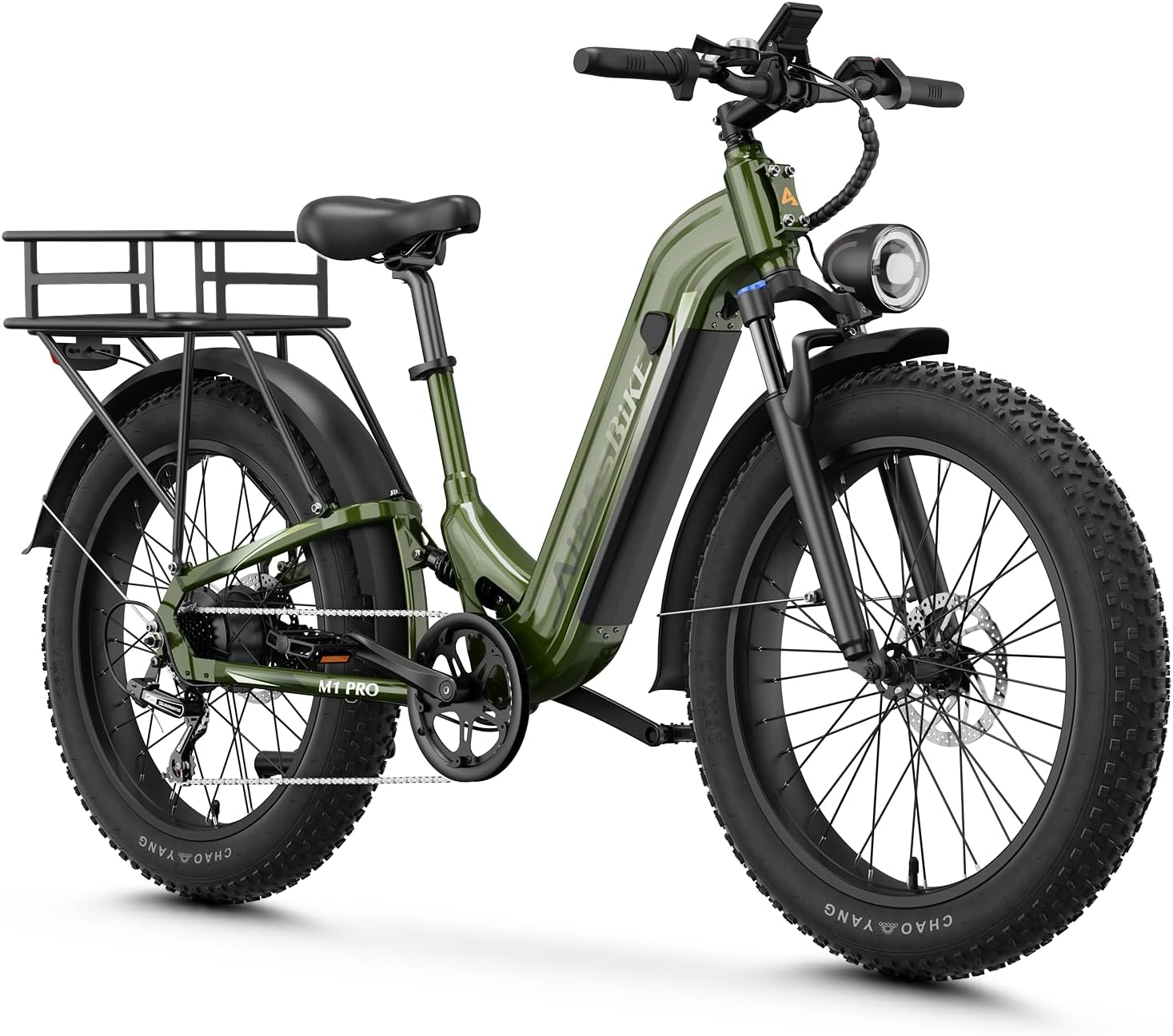
The M1 Pro’s 48V 17.5Ah pack provides more nominal energy than the smaller commuters here. A step-through frame and suspension at both ends make it an option for rough pavement and maintained unpaved routes. Its listed weight matters just as much as the battery specification.
- Wheels
- 26 × 4 in
- Battery energy
- 840 Wh
- Suspension
- Front and rear
- Motor claim
- 1800W peak; rated output unstated
Pros
- Large removable battery
- Front and rear suspension
- Step-through access and 7 speeds
Cons
- Listed 88 lb makes lifting difficult
- Mechanical disc brakes
- Fit and rated power need checking
Best for: A rider prioritizing battery energy and a low frame.
Skip it if: You regularly lift a bike into a vehicle.
Configuration check: The listing states mechanical brakes. Do not assume that full suspension includes hydraulic brakes.
Best equipped 26-inch fat-tire alternative
Jasion EB5 MAX
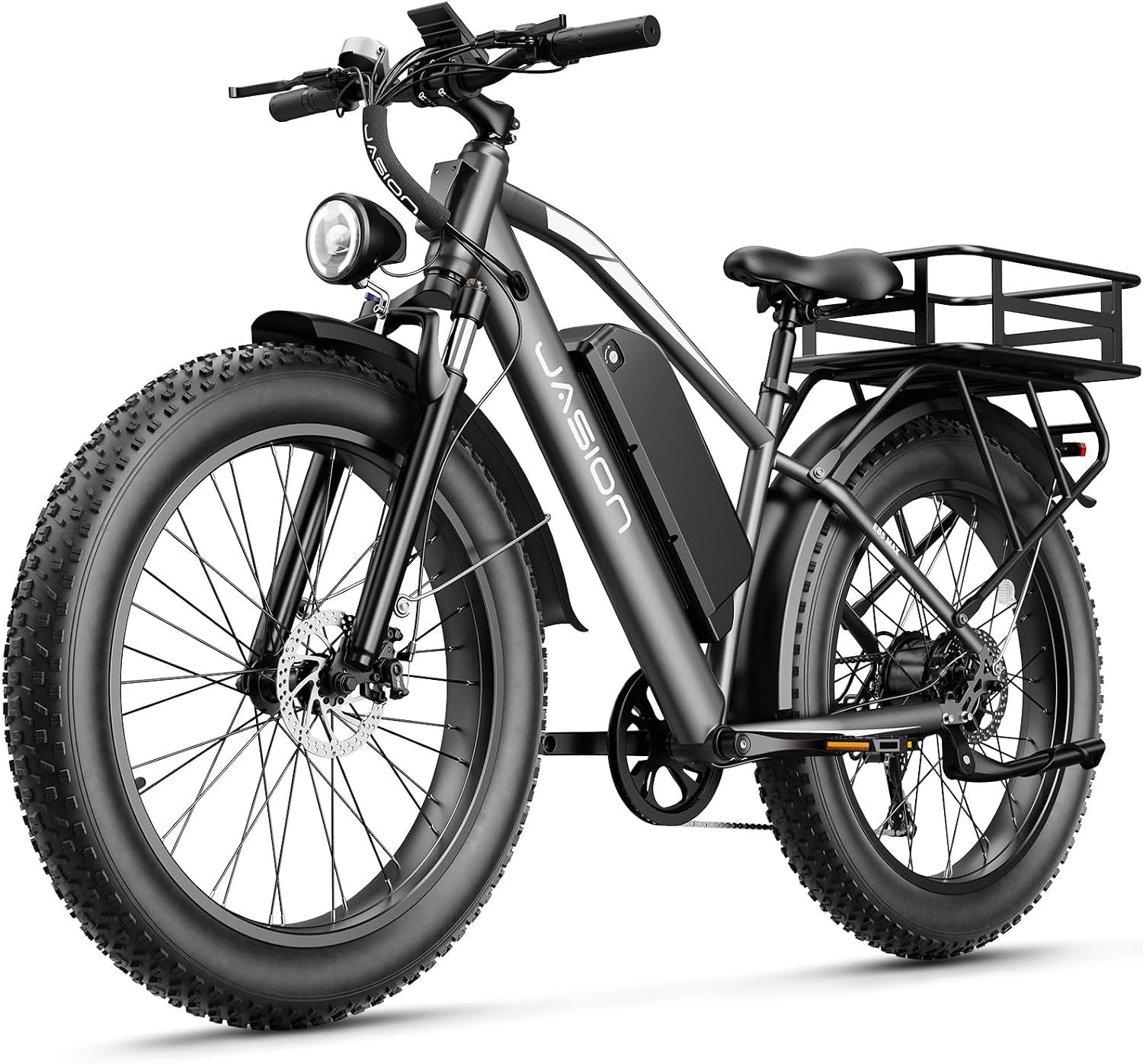
The EB5 MAX combines a 48V 15Ah battery with fenders and a rack. It belongs on the comparison list for riders who prefer full-size fat tires and want everyday equipment included. Its shared MAX/Ultra page requires care: a larger battery or different suspension shown elsewhere may belong to the Ultra.
- Wheels
- 26 × 4 in
- Battery energy
- 720 Wh for MAX
- Suspension
- Lockable front fork for MAX
- Motor claim
- 2000W peak; rated output unstated
Pros
- 720Wh removable battery
- Rack and fenders included
- Lockable front fork
Cons
- Large wheels complicate storage
- Peak output alone does not establish classification
- MAX and Ultra specifications overlap
Best for: Buyers who want a full-size fat-tire bicycle with commuter accessories.
Skip it if: You cannot confirm which version the seller will ship.
Configuration check: This card describes MAX feature text. Confirm the 720Wh configuration; do not assume Ultra hydraulic-brake or rear-suspension claims apply.
Best smaller-wheel city folder
GOTRAX R1
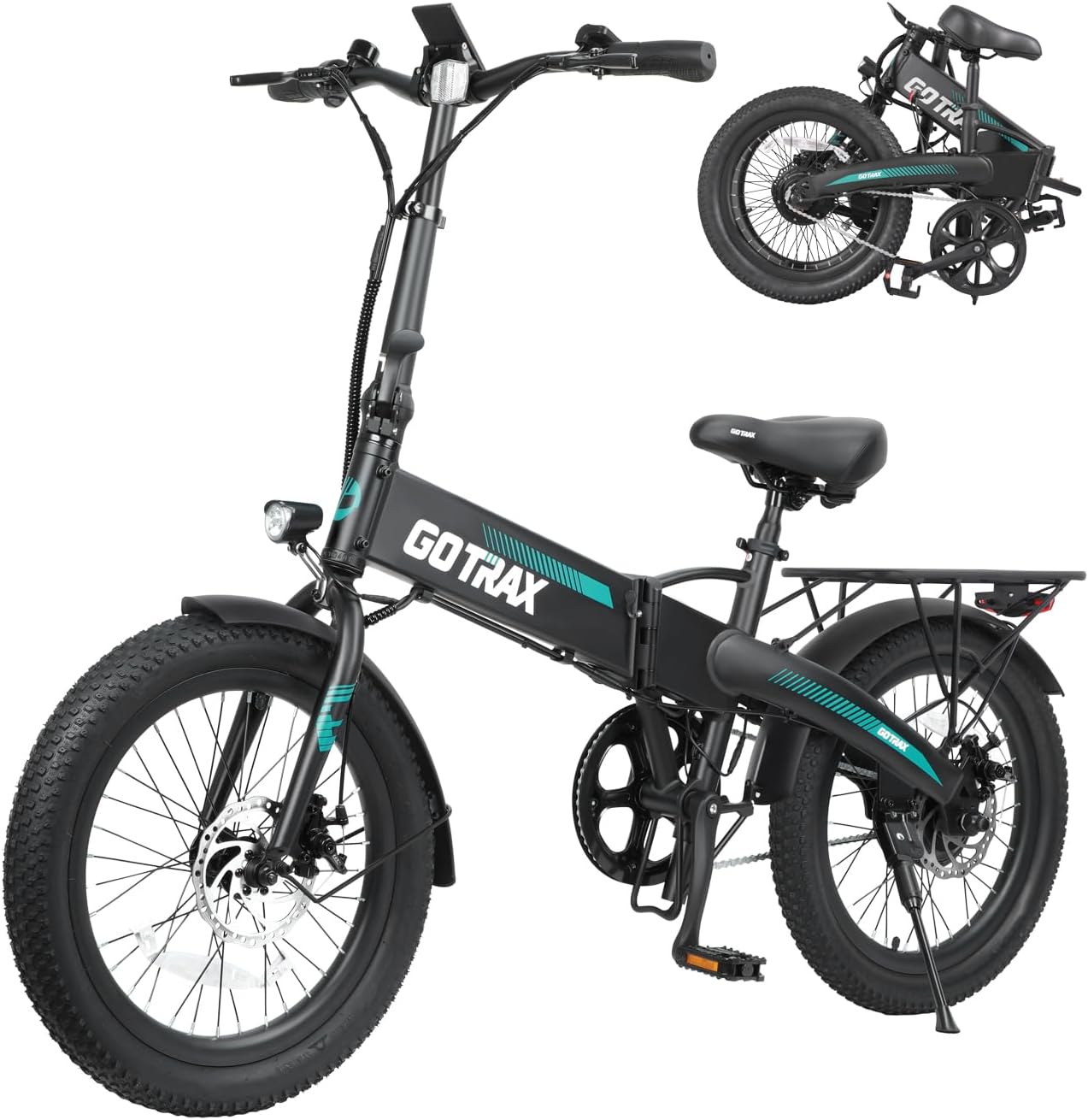
The R1 is the simpler folding choice for short city journeys rather than a reason to spend toward the full budget. Its 48V 7.8Ah battery has less nominal energy than the larger-pack options. The listing’s mileage varies between the title and feature text, so size your route conservatively.
- Wheels
- 20 × 2.6 in
- Battery energy
- 374.4 Wh calculated
- Suspension
- Rigid
- Motor claim
- 350W rated / 500W peak
Pros
- Folding aluminum frame
- Published 350W rated motor
- 20mph listed maximum
Cons
- Smaller battery reserve
- No suspension in the listed overview
- Range claims conflict across the page
Best for: Short journeys where storage space matters.
Skip it if: You need a large battery for hilly or long trips.
Configuration check: Five levels refers to pedal assistance; we have not treated it as a five-speed mechanical drivetrain.
How to choose a good electric bike under $2,000
Spend on the upgrades you will actually use
A torque sensor adjusts assistance according to pedaling effort, while a cadence sensor primarily detects pedal movement. For riders who enjoy active pedaling, sensor behavior can matter more than the largest motor headline. Hydraulic brakes, a suitable frame size and replacement-parts availability are also worth comparing before adding battery capacity you may not need.
For a short, flat commute, a straightforward bicycle can leave money for a helmet, a strong lock and professional setup. For longer routes, compare battery watt-hours, charging arrangements and the cost of a compatible replacement pack. Our commuter e-bike buying checklist helps organize those decisions.
Check fit, weight and service before ordering
Measure minimum saddle height, standover clearance and reach. A step-through frame helps with mounting but cannot guarantee a comfortable riding position. Riders who struggle with tall frames should also read our guide for shorter riders.
Include the rider, luggage and accessories when checking total load capacity. The rear rack has its own limit; never assume it can support the bicycle’s total advertised payload. Get the precise rack rating and approved passenger or child-seat compatibility from the manufacturer.
Ask a nearby shop whether it will service the bike, especially its electrical parts. Read return-freight terms, damage-reporting deadlines and warranty exclusions. Keep the carton until the bicycle is checked and you understand the return process.
Compare usable battery capacity
Watt-hours make batteries with different voltages easier to compare. For example, 48V × 17.5Ah equals 840Wh, while 48V × 7.8Ah equals 374.4Wh. More energy generally provides more reserve, but a heavier bike, wider tires, hills, cold weather and higher assistance can consume that reserve faster.
Do not plan a daily round trip around a seller’s maximum mileage. Leave a margin, and ask what rider weight, route and assistance setting produced the claim. None of the advertised range figures here has been independently measured by us.
Check electrical documentation and assembly
Request certification documentation for the exact bike and battery. UL 2849 concerns the e-bike electrical system; UL 2271 concerns light-electric-vehicle batteries. A logo in a listing is a starting point for verification, not proof that every variant shares the same certification.
Use the manufacturer-approved charger and follow its charging instructions. Stay present while charging and avoid charging while asleep. The CPSC’s micromobility guidance covers these precautions. Complete assembly and brake adjustment carefully, or have a qualified mechanic inspect the bike before riding.
Best electric folding bikes under $2,000: which format fits?
Start with the Mars 3.0 if its sensor and suspension upgrades matter to you. Compare the Aipas A2 and Ranger 2.0 if a low frame and storage are the main reasons to fold. The GOTRAX R1 is a simpler alternative for shorter city routes.
Measure your actual storage opening against the manufacturer’s folded dimensions. Folding reduces bulk; it does not remove weight. Also check whether the fold can be secured, whether the battery can be removed for lifting, and the rules of any train or bus you use.
Best electric fat bikes under $2,000: compare tires and weight
The M1 Pro and EB5 MAX use full-size 26-inch fat tires; the Mars and Ranger use smaller 20-inch wheels. Wide tires may help on some loose surfaces at an appropriate pressure, but they also add bulk and can increase rolling resistance on pavement. Tire tread, pressure limits and surface conditions matter as much as width.
For mainly paved commuting, the narrower-tire Cityscape or conventional Roamer format may suit you better. Do not buy a heavy fat-tire bike solely because the listing describes every surface as “all terrain.”
Electric Mountain Bikes Under $2,000: Trail Capability and Limitations
If you are comparing the best electric mountain bikes under $2,000, separate maintained gravel paths from demanding singletrack. A fat tire, suspension fork or rear shock does not establish that a bicycle is approved for jumps, drops or steep technical descents.
The M1 Pro and EB5 MAX are included as mixed-surface options based on their listed equipment. We have not tested them as trail-rated mountain bikes. For technical riding, prioritize the maker’s intended-use rating, frame sizing, suspension quality, brake performance and local service support over peak wattage.
Electric Bikes Under $2,000 for Rain and Wet-Weather Riding
For riders researching the best electric bikes under $2,000 in rain, the important distinction is water resistance versus permission for wet-weather use. Check the manual and warranty for the exact bike. A battery’s IP rating does not automatically describe connectors, the display or the entire assembled bicycle.
Heybike’s Mars 3.0 page advertises IP65 protection for electrical components, but its FAQ uses IPX5 wording and advises light rain only, with no heavy downpours or submersion. Follow that more conservative guidance and confirm the current manual with Heybike. We have not performed water-ingress tests.
Avoid floodwater, pressure washing and charging wet equipment. Give yourself more braking distance on wet roads, avoid slippery painted markings and metal covers, and follow the manufacturer’s drying instructions before reconnecting a charger.
Fastest e-bikes under $2,000: look beyond the headline
This guide does not rank bikes by an unverified maximum-speed claim. Advertised 28+, 32 or higher mph settings can describe different operating modes and may change whether a vehicle qualifies for local bicycle access.
Ask the seller for continuous motor output, throttle cutoff and pedal-assist cutoff in the configuration you will actually use. Check local requirements for roads and paths. A large peak-watt figure alone cannot establish performance, classification or permission to ride somewhere.
Our recommendation
Final Verdict: The Best Electric Bike Under $2,000
Among these eight, the Heybike Mars 3.0 gets our first look for its torque sensor, folding frame and upgraded equipment. The Jasion Roamer is the conventional commuter alternative, while the Aipas M1 Pro prioritizes battery capacity and step-through access. Your fit, route and delivered price should decide the final choice.
Frequently asked questions
Are there good electric bikes under 2000 dollars without spending the full budget?
Yes. Several options here sit well below the ceiling, leaving money for setup, security and accessories. Spend extra when it buys something useful for your journey, such as suitable braking equipment, a responsive sensor or more battery reserve—not simply a larger advertised power number.
Which bike is best for hills?
There is no verified climbing winner in this guide. Compare rated output, gearing, total load, cooling and the length of your climbs. A motor that handles a short incline may overheat on a long ascent. Ask the seller for route-specific advice and independent test evidence rather than relying on an unsupported slope claim.
Are electric dirt bikes under $2,000 the same as e-mountain bikes?
No. Searches for the best electric dirt bikes under $2,000 often lead to motorcycles or machines intended for off-road use, with different equipment and access requirements. This guide compares pedal-equipped bicycles. It does not treat an electric dirt bike as an interchangeable commuter or mountain-bike recommendation.
Should I choose a folding bike or a full-size model?
Choose folding when it solves a specific storage or transport problem. Choose a full-size layout when fit and daily riding matter more than compact storage. Test the lifting requirement before buying: a folded heavy bicycle can be harder to handle than a lighter conventional bike.
Are these bikes waterproof?
We make no blanket waterproof claim. Follow each manufacturer’s manual, confirm which components an IP rating covers, and check warranty restrictions. Do not interpret water resistance as permission to submerge the bike or leave charging connections wet.
How we researched this guide
This is a research-based comparison rather than a hands-on ride test. We checked the linked Amazon pages for product identity, item-price and stock information, photographs and equipment. Manufacturer specifications were used to resolve the Mars 3.0’s older Amazon copy; remaining configuration conflicts are identified in the relevant cards.
All eight listings showed item-price information below $2,000 when reviewed for this refresh. Stock and final delivered prices vary by seller, option and destination. Product buttons link to the primary listings; the official Mars 3.0 specifications support its model-specific details.
